Urgent Appeals Emerge for Delay in Gambling Commission Affordability Checks Rollout
Written by Petra Müller · May 23, 2026

Urgent Appeals Emerge for Delay in Gambling Commission Affordability Checks Rollout
The Guardian article details growing pressure on the Gambling Commission to reconsider its approach to financial risk assessments ahead of a key board meeting, with even early supporters of the measures now advocating for a temporary halt. These checks, designed initially for high-risk products such as online slots, have drawn attention because of potential effects on other betting sectors including horse racing. Data from the Commission's own surveys indicates that racing represents one of the lower-risk forms of gambling activity, a point raised amid discussions about implementation timing.
Background on the Proposed Financial Risk Assessments
Financial risk assessments form part of broader efforts by the Gambling Commission to monitor bettor spending patterns and intervene where activity might indicate harm. The original framework targeted products with elevated risk profiles, yet the planned rollout extends considerations across multiple categories. According to reports, this expansion has prompted questions about proportionality, particularly when applied to sectors where participation data shows different behavioral trends. The board meeting serves as a focal point for reviewing these plans before further steps proceed.
Key Figures Calling for a Pause
James Noyes, recognized as an original proponent of affordability measures, has joined calls to pause the rollout and allow additional evaluation. Former gambling minister Stuart Andrew MP has similarly urged a delay, citing the need for more refined data integration before full implementation. These positions reflect a shift in perspective among individuals previously aligned with tighter controls, based on emerging industry feedback and participation statistics. Observers note that such unified requests from varied stakeholders underscore the complexity of balancing regulatory goals with market realities.
Potential Impacts on Horse Racing and Broader Markets
The British Horseracing Authority has estimated that unrestricted application of these checks could result in annual revenue reductions reaching £250 million for the racing sector. This projection stems from concerns that bettors might migrate toward unregulated platforms rather than comply with new verification processes. Evidence from Commission surveys supports the view that horse racing betting carries lower associated risks compared to other products, which adds context to discussions about targeted versus uniform application. Those who've examined participation patterns point out that shifts to black market options could undermine both consumer protections and legitimate industry operations.
Evidence from Commission Surveys and Data Sources
Statistics on gambling participation reveal insights into how different activities align with risk profiles, and the Wave 3 data covering July to October 2025 provides relevant benchmarks for ongoing reviews. These figures help frame conversations about which products warrant priority attention during the assessment process. Researchers have observed that racing maintains steady engagement levels without the sharp spikes seen elsewhere, a pattern that informs arguments for measured rollout rather than immediate broad enforcement.
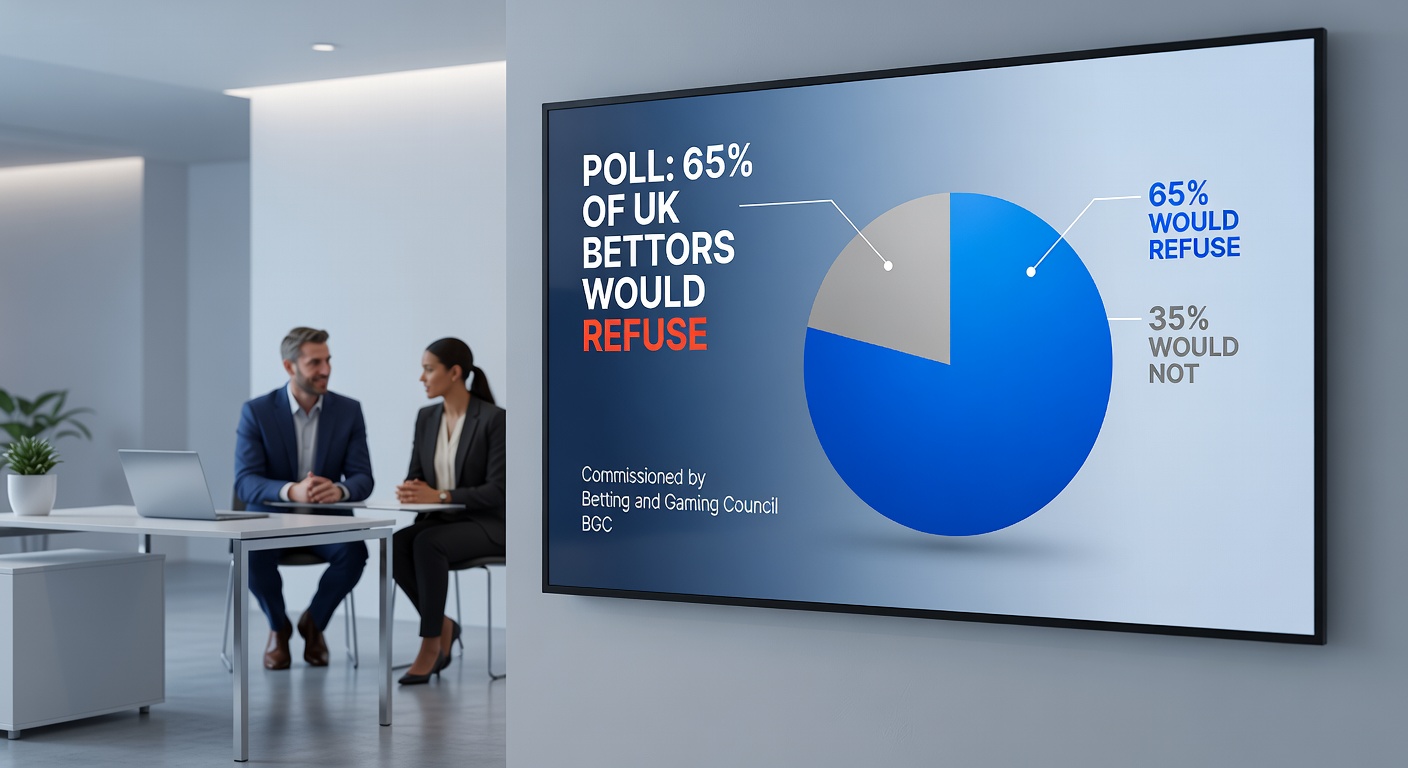
One study revealed connections between regulatory changes and shifts in betting behavior across regulated versus unregulated channels. Experts have observed that abrupt implementation can accelerate movement toward offshore operators, especially in areas where participants already demonstrate controlled spending habits. The reality is that horse racing's established framework, including existing oversight mechanisms, offers a contrast to higher-intensity products where checks originated.
Context of the May 2026 Board Meeting
Discussions at the Gambling Commission board meeting in May 2026 center on whether current timelines allow sufficient scope for incorporating recent feedback and survey outcomes. Stakeholders emphasize the value of pausing to assess how checks interact with safer betting segments before wider deployment. Data indicates that racing bettors often maintain lower average stakes and longer engagement periods, characteristics that differentiate this activity from the initial focus areas. Those who've studied regulatory timelines note that adjustments at this stage could align measures more closely with evidence-based priorities.
Industry and Regulatory Interplay
The interplay between regulatory bodies and sectors like racing highlights ongoing efforts to refine approaches without disrupting established markets. The British Horseracing Authority's revenue projections serve as one input among multiple considerations at the board level. What's significant is the alignment between original policy advocates and current industry voices on the merits of a measured pause. Figures from participation data continue to guide these evaluations, ensuring decisions rest on documented trends rather than assumptions alone.
Conclusion
The calls for a pause in affordability checks reflect a convergence of perspectives around the need for targeted refinement ahead of full rollout. With input from figures like James Noyes and Stuart Andrew MP, alongside estimates from the British Horseracing Authority, the May 2026 board meeting represents a critical juncture. Evidence from Commission surveys underscores distinctions in risk profiles across products, providing a factual basis for continued review. As these discussions unfold, the focus remains on integrating participation statistics and industry data to shape practical implementation steps.