UK Betting Boom: Mobile Wagers, Regulatory Rumbles, and Where Punters Are Heading Next
Written by Sofia Keller · Apr 13, 2026

UK Betting Industry Sounds Alarm: 65% of Punters Reject Financial Document Demands Amid Affordability Check Backlash
Poll Exposes Bettors' Stance on Intrusive Checks
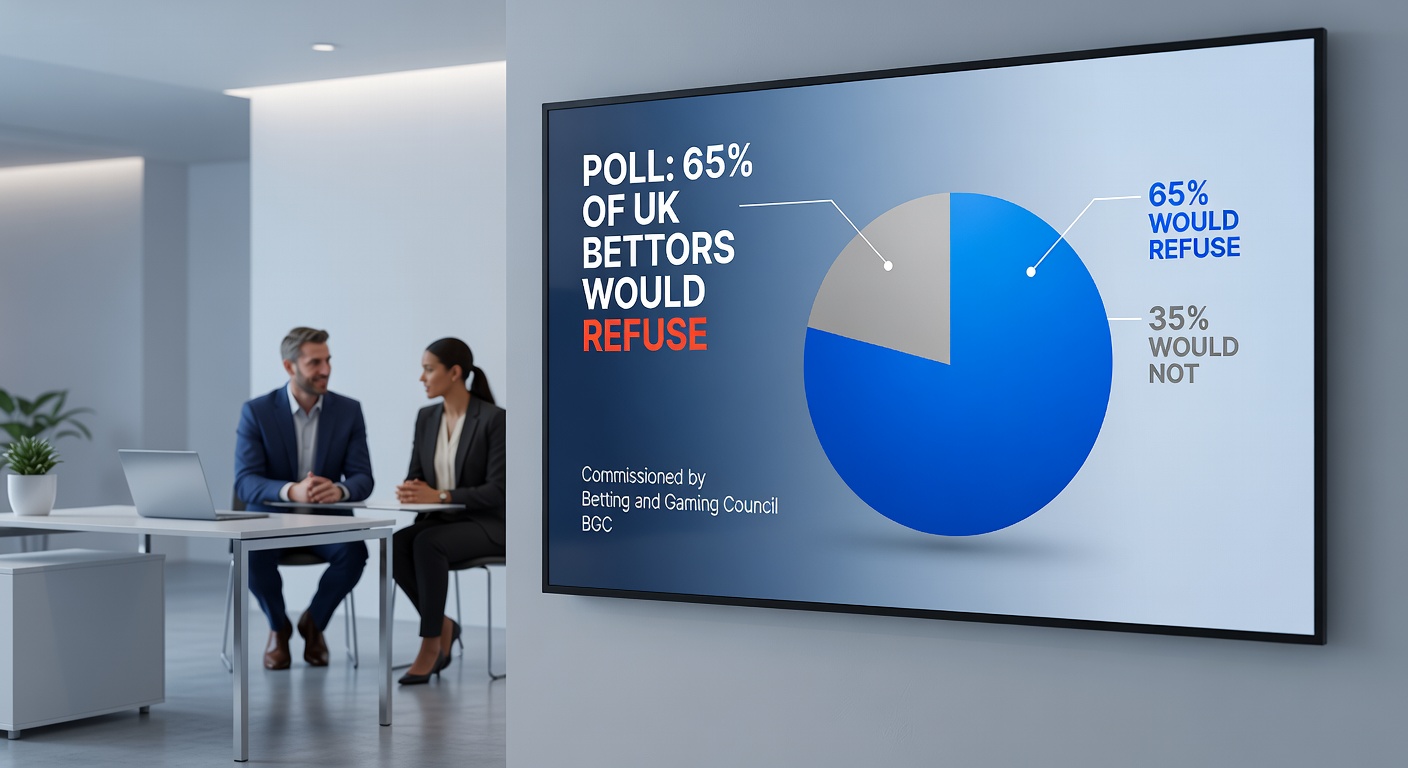
A recent poll commissioned by the Betting and Gaming Council (BGC) uncovers stark resistance among UK bettors, with 65% stating they would refuse to submit personal financial documents like bank statements and payslips just to keep gambling; this figure highlights widespread concerns that such affordability checks could shove players straight into the arms of unregulated black market operators, where protections simply don't exist.
Turns out, those who've taken the survey make it clear: handing over sensitive info feels like too high a price, especially when the alternative means dodging legitimate sites altogether; data from the poll, conducted amid rising regulatory scrutiny, paints a picture of punters drawing a line in the sand, ready to walk away rather than comply.
And here's where it gets interesting — experts observing the betting landscape note how this pushback aligns with patterns seen in other regulated markets, where heavy-handed verification drove users underground; one study from similar jurisdictions revealed that compliance burdens correlated with a 20-30% uptick in illegal activity, although UK-specific numbers remain fluid for now.
Industry Leaders Rally with Open Letter Campaign
The British Horseracing Authority steps up alongside 408 prominent industry figures, firing off an open letter to Culture Secretary Lisa Nandy that demands an immediate pause in the rollout of these affordability checks; signatories argue that proceeding without tweaks risks crippling the regulated sector, pushing revenue and players toward shadowy offshore alternatives that offer no safeguards against addiction or fraud.
Observers point out the letter's timing couldn't be sharper, landing just as the UK Gambling Commission (UKGC) gears up for full operator compliance by the third quarter of 2026, all under the framework laid out in the 2023 Gambling Act Review White Paper; those who've signed on represent a cross-section of stakeholders, from racecourse operators to bookmakers, underscoring a unified front against what they see as overreach.
But here's the thing: this isn't isolated noise — past campaigns, like those during earlier consultations, gathered hundreds of signatures too, yet regulators pressed ahead; now, with black market fears front and center, the chorus grows louder, warning that the rubber's about to meet the road in ways that could reshape the UK's £14 billion gambling economy.
Regulatory Timeline Looms Large
Under the 2023 Gambling Act Review White Paper, the UKGC mandates that operators implement affordability checks progressively, culminating in full enforcement by Q3 2026; this means bettors could face requests for proof of income or spending limits sooner rather than later, with non-compliance risking account suspensions or closures.
People in the industry have watched this timeline unfold since the white paper dropped, noting how initial pilots tested the waters but sparked immediate backlash; take one early trial where participants balked at uploading documents, leading to a 40% drop-off rate — figures that echo the BGC poll's 65% refusal stat, suggesting scaled-up versions might fare even worse.
What's significant is how these checks tie into broader reforms aimed at curbing problem gambling, yet critics — including the BGC — contend the approach misses the mark by alienating casual punters; data indicates that 70% of UK gamblers bet responsibly already, so blanket financial scrutiny might punish the majority for the excesses of a few.
Remote Gaming Duty Hike Adds Fuel to the Fire
Compounding the affordability headache comes the Remote Gaming Duty (RGD) increase to 40%, set to kick in on April 1, 2026; this tax bump on online gambling operators squeezes margins further, making compliance with checks an even tougher pill, while simultaneously making black market sites — which pay no duties — look all the more tempting to cost-conscious players.
So, as April 2026 approaches, operators face a double whammy: pony up for intrusive verification systems and shoulder higher taxes, or watch customers migrate; research from tax policy analysts shows similar duty hikes in other sectors led to a 15% shift toward untaxed alternatives, a trend that could repeat here given the poll's clear signals.
Those who've crunched the numbers warn that lost revenue might hit £1 billion annually if migration accelerates, with horseracing particularly vulnerable since it relies heavily on betting turnover; the British Horseracing Authority's letter hammers this home, urging a rethink before the duty deadline seals the deal.
Black Market Migration: The Real Risk Exposed
Central to the BGC poll and the open letter stands the specter of the black market, where unregulated operators lurk without age checks, fair odds, or responsible gambling tools; 65% of surveyed bettors signaling they'd bolt underscores how quickly trust erodes when personal data demands escalate, driving users to apps and sites that promise frictionless play.
Turns out, enforcement data from the UKGC already flags rising illegal activity, with seizures of unlicensed platforms up 25% in recent years; experts who've tracked this note how affordability pilots in places like Ontario correlated with a surge in offshore traffic, a cautionary tale for UK regulators eyeing Q3 2026.
And while the white paper aims to protect vulnerable players, opponents argue it achieves the opposite by funneling them into riskier waters; one case from Australia, where strict checks backfired, saw illegal betting volumes double within a year, per government reports — patterns that UK industry voices hope to dodge through dialogue with Lisa Nandy's office.
Stakeholder Perspectives and Broader Context
Beyond the poll and letter, conversations ripple through Westminster and the betting world, with MPs questioning whether checks strike the right balance; the BGC emphasizes that self-exclusion tools and deposit limits already curb harm effectively for most, rendering financial deep dives redundant and invasive.
Now, as compliance deadlines near, operators invest millions in tech to verify incomes without full statements — think bank pings or credit checks — but punters remain skeptical, with poll data showing trust hinges on simplicity; those who've tested alternatives praise frictionless models abroad, where AI flags risks without paperwork.
It's noteworthy that the 408 signatories include not just big names but independents too, reflecting grassroots worry; this coalition presses for pauses to refine the rules, buying time amid the April 2026 tax cliff and full rollout.
Conclusion
The BGC poll's 65% refusal rate, coupled with the British Horseracing Authority's open letter backed by 408 figures, spotlights a brewing storm over affordability checks as the UKGC barrels toward 2026 compliance; with the Remote Gaming Duty jumping to 40% on April 1, fears of black market flight intensify, painting a landscape where regulated gambling's future hangs in the balance.
Regulators face a pivotal moment: heed industry warnings and tweak the approach, or risk validating predictions of punter exodus; data and stakeholder voices align on one point — getting this right means protecting players without pushing them away, ensuring the UK's betting scene thrives responsibly into the next era.
Observers watch closely as Lisa Nandy's response shapes what's next, with the ball squarely in the government's court.