Betting and Gaming Council Launches Coordinated Push to Disrupt Illegal Markets
Written by Freya Becker · Jun 10, 2026

Betting and Gaming Council Launches Coordinated Push to Disrupt Illegal Markets
The Betting and Gaming Council has introduced a targeted five-point strategy that calls on government bodies, regulators, technology platforms, and banks to address the expansion of unlicensed gambling operations across the United Kingdom, and the move comes as industry data projects substantial growth in black-market activity over the next several years. The organization represents approximately 90 percent of the regulated betting and gaming sector, which gives its recommendations significant weight when they reach policymakers and enforcement agencies. The plan focuses on removing the operational foundations that allow illegal operators to reach consumers without oversight or consumer protections, while the council emphasizes collaboration among multiple sectors to achieve measurable reductions in unauthorized activity.Key Elements of the Proposed Strategy
Observers note that the first component targets illegal advertising on social media platforms, where unlicensed operators often promote services through influencer partnerships and targeted campaigns that bypass existing rules. The second element seeks expanded legal authority for regulators and internet service providers to block access to unlicensed websites and mobile applications more effectively, reducing the ease with which consumers can locate and use these services. Payment processing forms the third pillar, with calls for financial institutions to implement stricter controls that prevent transactions between UK customers and illegal gambling entities. Accountability measures appear in the fourth point, which proposes penalties for third-party companies that knowingly facilitate black-market operations through hosting, advertising, or technical support. Finally, the plan advocates stronger criminal sanctions that would apply to individuals and organizations running large-scale unlicensed gambling enterprises, aiming to increase deterrence through more severe consequences.
These proposals build on existing regulatory frameworks yet seek to close specific gaps that have allowed black-market operators to scale their presence. Data indicates that current enforcement tools have proven insufficient against rapidly evolving digital distribution methods, and the council’s recommendations reflect patterns observed in enforcement actions over recent periods.
Projected Growth in Unregulated Activity
Figures released alongside the announcement show that black-market gambling stakes could rise from £17 billion in 2025 to more than £33 billion by 2028 if current trends continue without intervention. Such growth would expose increasing numbers of consumers to fraud risks and gambling-related harm, since unlicensed operators operate outside the player protection requirements that apply to regulated companies. Researchers tracking these markets have documented how illegal sites frequently lack age verification, deposit limits, and dispute resolution mechanisms, leaving participants without recourse when problems arise.
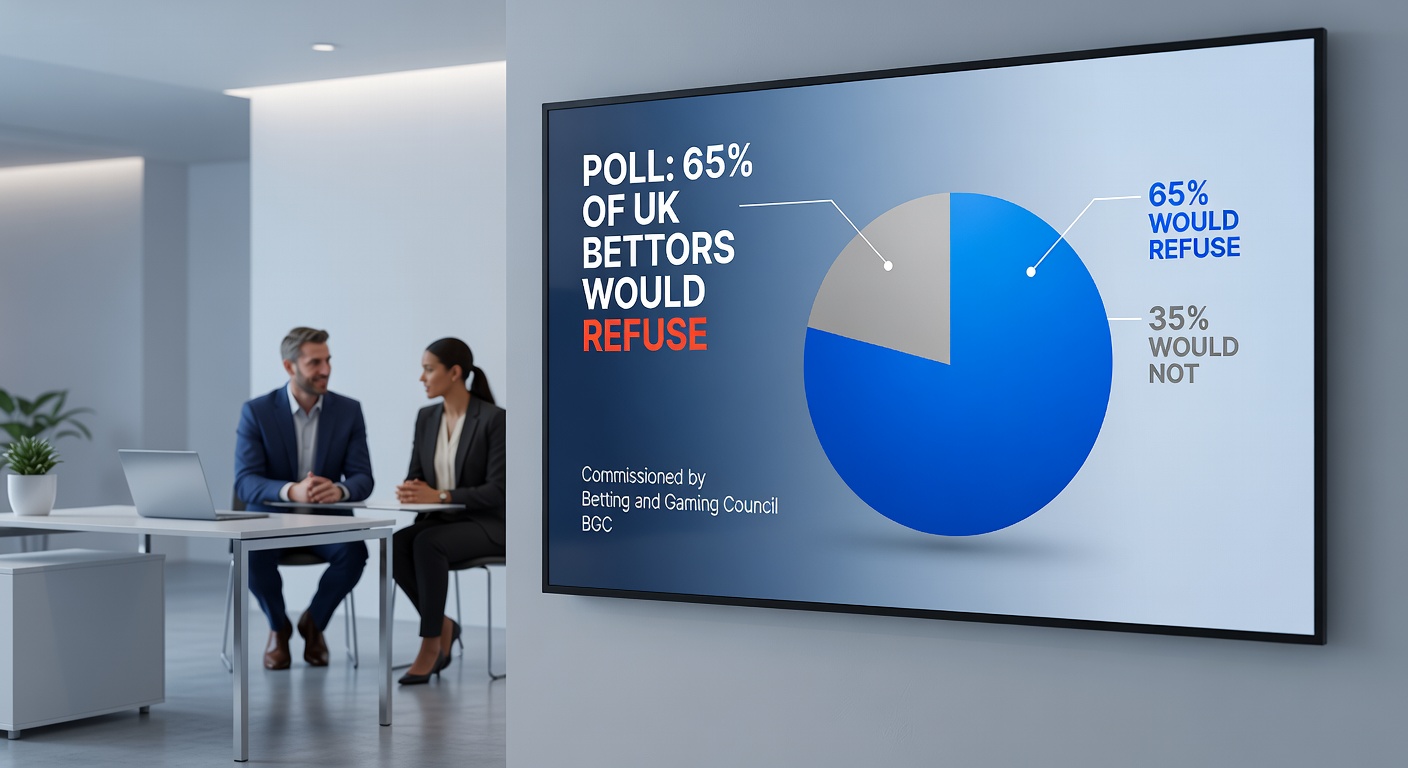
Analyses cited by the Betting and Gaming Council highlight that payment blocking and advertising restrictions have produced results in other jurisdictions, suggesting similar approaches could yield comparable outcomes in the United Kingdom when implemented consistently across platforms and financial networks.
Industry Context and Stakeholder Roles
The regulated sector already contributes substantial tax revenue and maintains licensing standards that include responsible gambling tools and anti-money-laundering controls. Unlicensed operators, by contrast, avoid these obligations and can offer more favorable odds or bonuses that attract customers who may not realize the associated risks. The council’s plan therefore positions cooperation from technology companies and banks as essential, because these entities control the infrastructure that illegal operators rely upon to reach users and process funds.
Enforcement agencies would receive clearer mandates under the proposals, while social media platforms would face expectations to remove prohibited content more rapidly. Financial institutions would be asked to enhance transaction monitoring systems that flag and decline payments linked to known illegal gambling merchants. Each element addresses a distinct stage in the customer journey from discovery to transaction, creating multiple points of friction for unauthorized operators.
Implementation Considerations
Those familiar with regulatory processes observe that legislative changes would be required to grant stronger blocking powers and introduce new penalties for enablers. The council has therefore directed its recommendations toward both immediate administrative actions that existing regulators can take and longer-term policy adjustments that would require parliamentary attention. Coordination across departments remains necessary because advertising rules, financial regulations, and criminal justice provisions fall under different oversight bodies.
Evidence from previous enforcement rounds shows that isolated measures produce limited effects, whereas simultaneous pressure on advertising, payments, and access points tends to reduce visibility and revenue for illegal operators. The five-point framework reflects this integrated approach by linking each recommendation to measurable operational impacts.
Conclusion
The Betting and Gaming Council’s announcement outlines a structured response to documented expansion in unlicensed gambling activity, combining specific enforcement requests with projected market data that underscores the scale of the challenge. Implementation will depend on coordinated action among the entities named in the plan, and the coming months will reveal how government departments, regulators, and private-sector partners respond to the outlined priorities. The stakes figures and enforcement proposals together provide a clear baseline against which future progress can be assessed.