Betfred Shop Closures Spotlight Tax Pressures in BGC July 2026 Statement
Written by Petra Müller · Aug 8, 2026

Betfred Shop Closures Spotlight Tax Pressures in BGC July 2026 Statement
The Betting and Gaming Council released its statement on 31 July 2026, and that document directly connects Betfred's decision to close multiple UK betting shops with tax increases introduced in the previous year's Budget. Observers note how the closures serve as a concrete example of those fiscal measures taking effect across the sector, and the BGC used the occasion to outline specific consequences for employment, high street operations, capital investment, and support for British horseracing.
Details from the 31 July Statement
According to the Betting and Gaming Council announcement, Betfred's shop reductions illustrate the immediate outcomes of higher tax rates applied to betting operators. The statement explains that these rises have increased operational costs to levels that make maintaining certain locations unviable, adn it lists parallel effects on jobs, local business viability, and wider industry funding streams. Those who reviewed the document found references to both the regulated market contraction and the simultaneous expansion of unregulated betting channels that avoid the same tax obligations.
Employment and High Street Business Effects
Job reductions form a central point in the BGC statement, which records how shop closures translate into fewer positions for staff across betting outlets. Data presented in the release shows that each closed location removes roles tied to customer service, security, and premises management, while the cumulative impact reaches suppliers and related services on the same high streets. The statement further indicates that reduced footfall from fewer open shops affects neighboring retailers, creating a chain reaction that extends beyond the betting industry itself and into local economies dependent on consistent visitor numbers.
Investment and Horseracing Funding Connections
Capital investment faces similar constraints, the BGC notes, because operators facing higher tax liabilities redirect resources away from expansion or upgrades. The statement ties these pressures directly to British horseracing, where funding agreements rely on contributions from licensed betting firms. Reduced shop networks mean lower overall revenue available for those agreements, and the BGC outlines how this shift threatens the financial support structure that sustains race meetings, prize money, and breeding programs. Experts tracking the sector point out that horseracing bodies have historically depended on this revenue stream, making the documented shop closures a measurable factor in future allocation decisions.
Concerns About Unregulated Markets
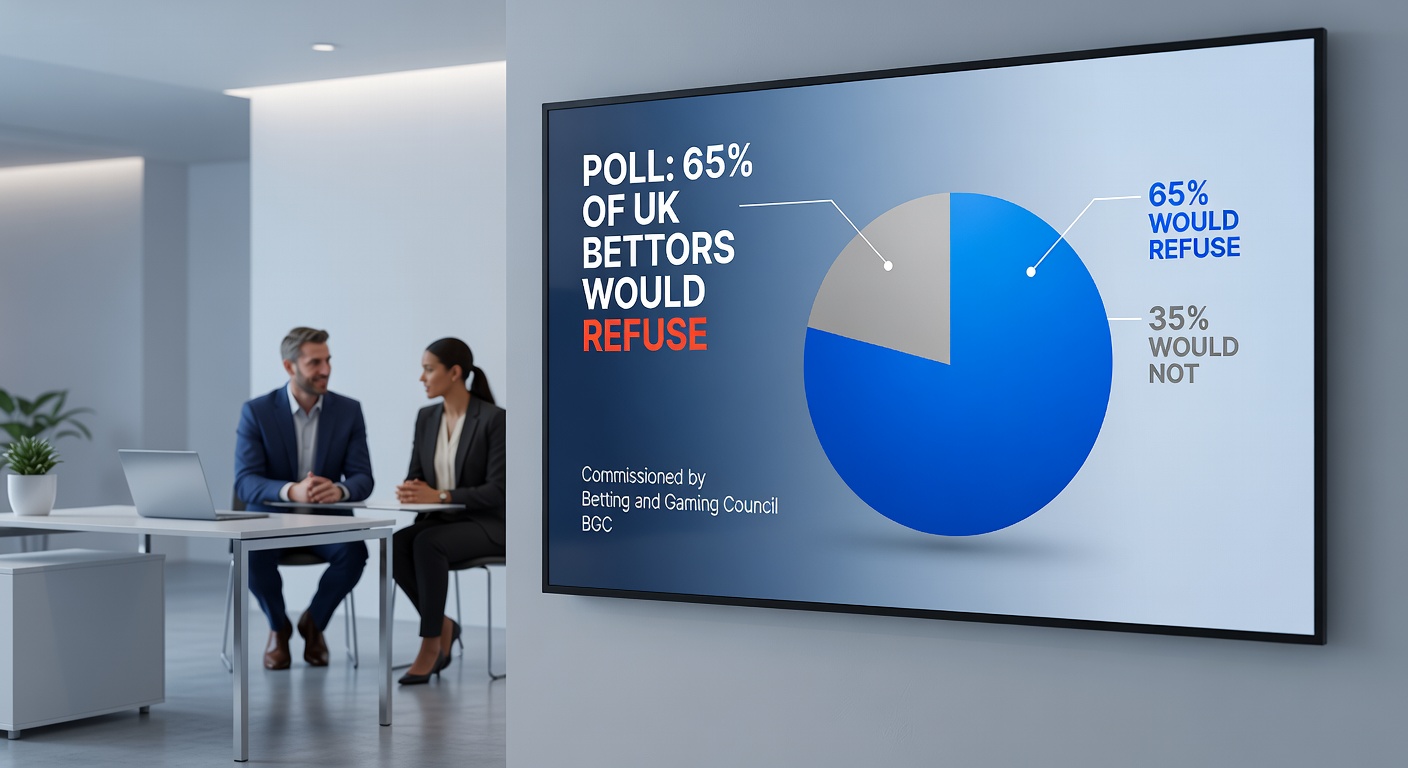
The statement also addresses the growth of the unregulated black market, which the BGC links to the same tax increases that prompted Betfred's closures. Operators in the licensed sector operate under tax and compliance rules that unlicensed platforms bypass, and the release presents evidence that cost-sensitive customers migrate toward those channels when licensed options become less convenient or more expensive. Figures cited by the council show rising activity in unregulated spaces, and the document warns that this movement reduces the tax base while increasing consumer exposure to platforms without standard protections or responsible gambling requirements.
Context in August 2026
As August 2026 opens, industry participants continue to assess the statement's implications for remaining shop networks and future Budget cycles. The BGC release serves as a reference point for discussions on how tax policy interacts with physical retail betting, and multiple operators have referenced similar pressures when reporting quarterly results. Those monitoring the situation observe that the combination of shop reductions, job impacts, and funding shortfalls for horseracing creates a feedback loop that affects multiple stakeholders simultaneously.
Broader Sector Observations
Research from the Betting and Gaming Council provides the primary data for the July statement, yet parallel analyses from international bodies such as the OECD tax policy unit examine comparable effects in other jurisdictions where gambling taxes rose sharply. The UK case documented by the BGC aligns with patterns noted elsewhere, where higher rates coincide with shifts in market share toward unregulated segments. Observers tracking these trends note consistent reporting of reduced physical premises alongside growth in online alternatives that fall outside tax collection systems.
Conclusion
The 31 July 2026 statement from the Betting and Gaming Council presents Betfred's shop closures as a direct illustration of tax policy outcomes from the prior Budget, and it catalogs resulting pressures on employment, high streets, investment, horseracing funding, and regulated market share. The document supplies specific connections between these elements without additional commentary, leaving the factual record for industry participants and policymakers to review as August 2026 progresses.